At Charter Connect, we hold monthly culture meetings to strengthen our team dynamic and explore new ways to grow together. These sessions cover a wide range of topics, and at our next meeting, we’re diving into something especially intriguing: Enneagrams in the workplace.
I was first introduced to the Enneagram a few years ago at a spouse event, where we took a simple test to identify our types and learned about each one. That experience sparked a deep interest in me—I discovered so much about myself through the process, and it quickly became a tool I returned to again and again. The insight it gave me felt too valuable to keep to myself, so I thought, why not bring this concept into our work environment? If understanding our own personalities could be so powerful, imagine how helpful it could be to better understand the people we work with every day.
As of writing this, our team hasn’t taken the Enneagram test just yet, so this blog is focused on the "why" behind introducing it to our workplace.
What Is the Enneagram?
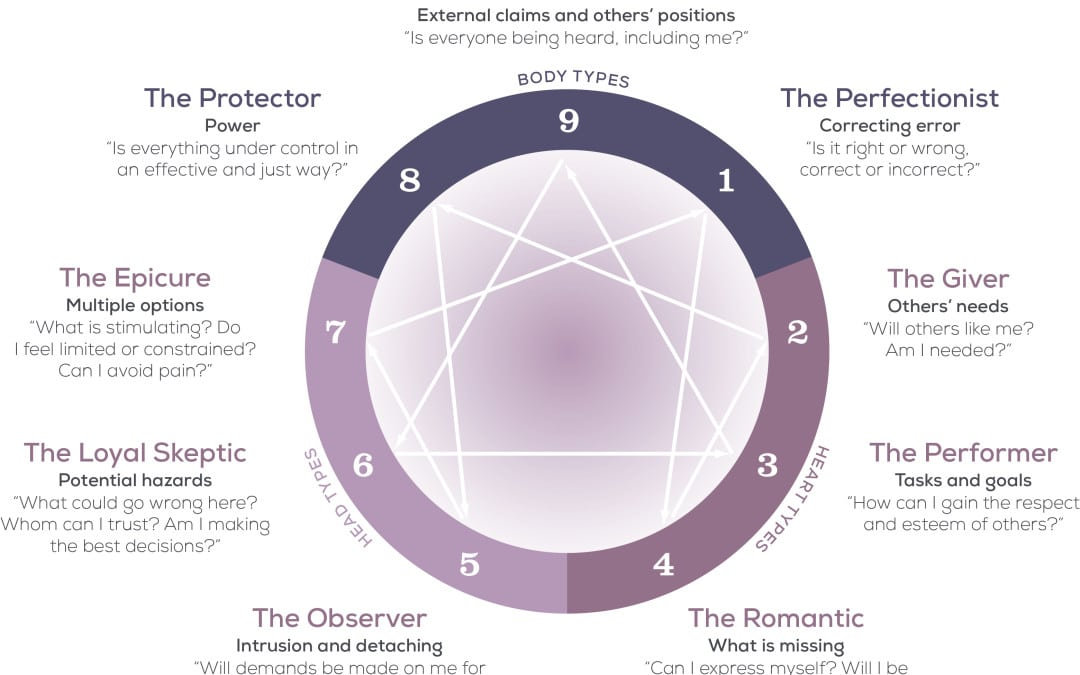
The Enneagram is a personality typing system that identifies nine distinct types, each with its own motivations, fears, and behavioral patterns. It offers a roadmap for personal growth, emotional insight, and relational dynamics.
Here’s a quick overview of the nine types:
- The Reformer/Perfectionist – Principled, purposeful, and self-controlled. Strives for integrity and excellence.
- The Helper/Giver – Caring, interpersonal, and generous. Motivated by the need to be loved and needed.
- The Achiever – Driven, success-oriented, and image-conscious. Seeks validation through accomplishments.
- The Individualist/Deep Diver – Expressive, sensitive, and introspective. Craves authenticity and identity.
- The Investigator/Observer – Analytical, perceptive, and independent. Values knowledge and self-sufficiency.
- The Loyalist – Committed, responsible, and security-seeking. Motivated by fear and the need for stability.
- The Enthusiast/Adventurer – Energetic, spontaneous, and fun-loving. Avoids pain through new experiences.
- The Challenger – Assertive, confident, and protective. Seeks control and resists vulnerability.
- The Peacemaker – Easygoing, supportive, and agreeable. Strives to maintain harmony and avoid conflict.
Why Knowing Your Enneagram Matters
Understanding your Enneagram type can be a game-changer for personal growth. It sheds light on what drives you, how you react under stress, and the subconscious habits that may be holding you back. As you dive into your type, you begin to uncover patterns, motivations, and blind spots—giving you the tools to break old cycles and step into a more intentional version of yourself.
Why It’s Useful in the Workplace
While the Enneagram helps individuals gain insight into themselves, it’s equally valuable for team dynamics. Here are just a few ways it can enhance the workplace:
- Improved CommunicationUnderstanding how others process information and express themselves leads to clearer, more respectful conversations.
- Greater Self-AwarenessEmployees can identify their strengths, stress triggers, and ideal working conditions, helping them thrive in their roles.
- Stronger LeadershipLeaders can adapt their approach to better support, motivate, and guide their team by tapping into what drives each type.
In Conclusion
Bringing the Enneagram into our workplace isn’t just a fun team activity—it’s a powerful way to deepen understanding and collaboration. Every person brings a unique set of strengths, challenges, and communication styles to the table. By learning about our own types and those of our teammates, we can foster a culture of empathy, reduce misunderstandings before they arise, and build a stronger, more unified team. At Charter Connect, we believe that when we understand ourselves and each other better, we work better—together.